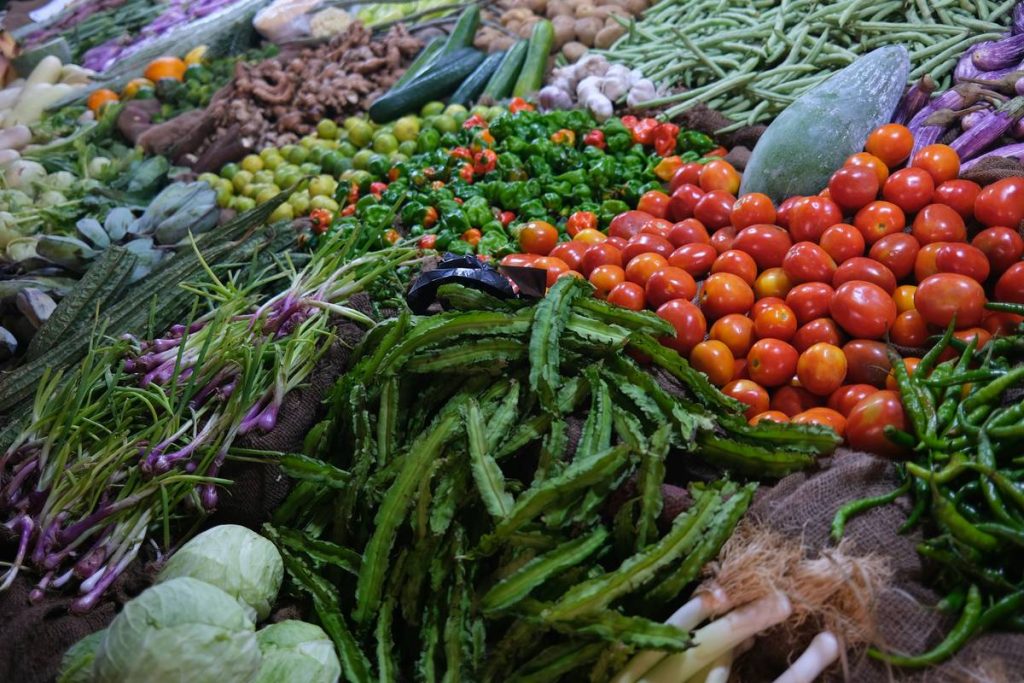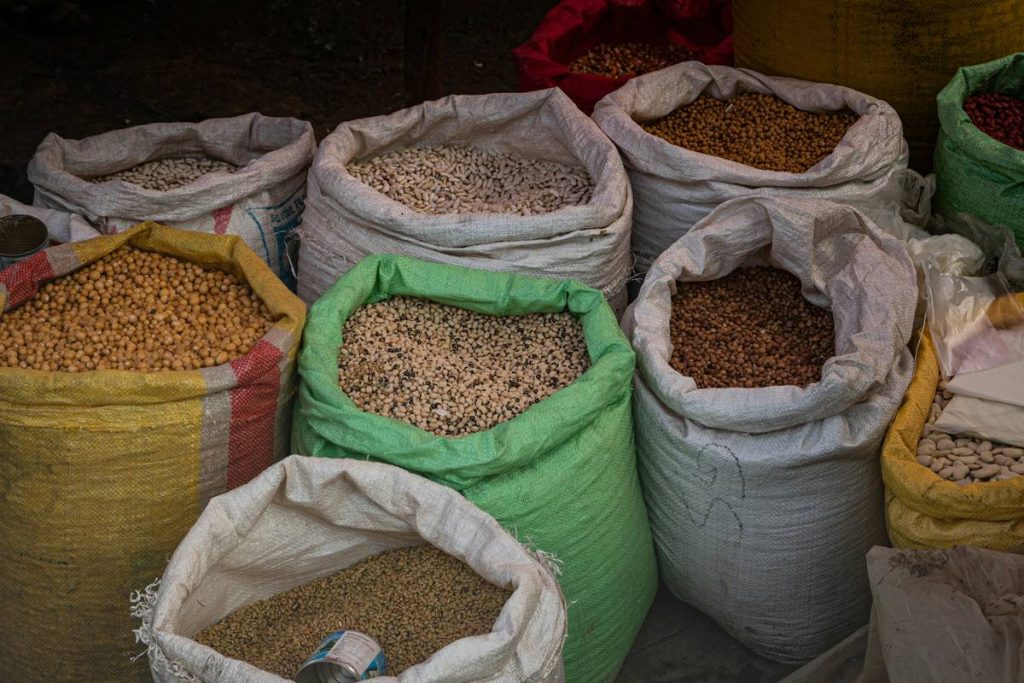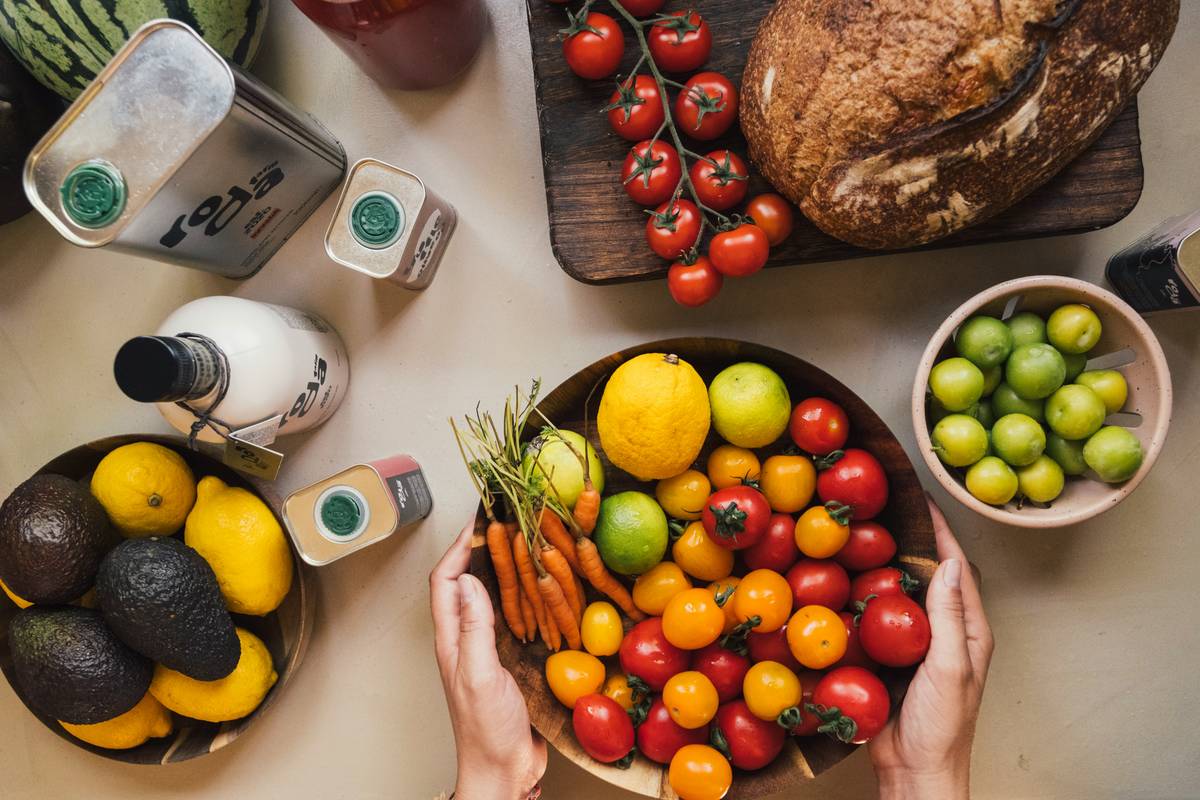
Ever spent Sunday meal prepping a gorgeous lentil-and-kale bowl—only to spend Monday afternoon groaning on the couch, wondering, *“Why did my ‘gut-healing’ dinner feel like a digestive hostage situation?”* I’ve been there. Three years ago, I tried “going all-in” on fiber-rich meals vegetarian by doubling flaxseed in my smoothies, adding psyllium husk to every oatmeal, and loading up on raw jicama sticks—thinking more fiber = automatic gut bliss. Instead? Cramps, gas that rattled windowpanes, and a very confused microbiome. Turns out, how you introduce fiber matters far more than how much you eat.
This guide cuts through the confusion—not with theory, but with kitchen-tested, stool-confirmed tactics for building fiber rich meals vegetarian that nourish your gut and your sanity. You’ll learn why 25 grams/day isn’t one-size-fits-all, how to time your fiber intake to avoid bloating, which plant fibers feed *your* unique microbes (not just textbook ones), and what to skip entirely—even if it’s labeled “high-fiber.”
Table of Contents
- Key Takeaways
- Why Fiber-Rich Meals Matter for Gut Health (Beyond the Hype)
- Step-by-Step Guide to Building Your First Week of Fiber Rich Meals Vegetarian
- 5 Best Practices That Actually Prevent Bloat
- Real Examples: How 3 Clients Doubled Daily Fiber—Without Supplements
- FAQs About Fiber Rich Meals Vegetarian
Key Takeaways
- Fiber isn’t just about quantity—it’s about diversity: Aim for at least 30 different plant foods weekly to feed varied gut bacteria (Nature Microbiology, 2021).
- The “fiber gap” is real: 95% of U.S. adults fall short of recommended intake—and vegetarians aren’t immune, especially if meals rely heavily on refined grains and low-fiber produce.
- Start low and slow: Increase fiber by no more than 5 grams/week to let your microbiome adapt—jumping from 12g to 30g overnight triggers osmotic diarrhea in many.
- Pair soluble + insoluble fiber daily: Think oatmeal (soluble) + roasted beet slices (insoluble) — not just one or the other.
- Hydration isn’t optional: For every additional 5 grams of fiber, drink at least one extra 8-oz glass of water — or fiber becomes a constipation trap.
Why Fiber-Rich Meals Matter for Gut Health (Beyond the Hype)
Fiber does way more than keep things moving. It’s the primary fuel for your trillions of gut microbes—the ones that train your immune system, synthesize vitamin K and B12, and even regulate mood via the gut-brain axis. According to the National Institutes of Health Office of Dietary Supplements, adults need 22–34 grams of fiber daily, depending on age and sex. Yet most get only 12–15 grams—and surprisingly, many vegetarian meal plans still underdeliver because they unintentionally center low-fiber staples: white rice bowls, pastas without legume blends, and smoothies stripped of skins and seeds.
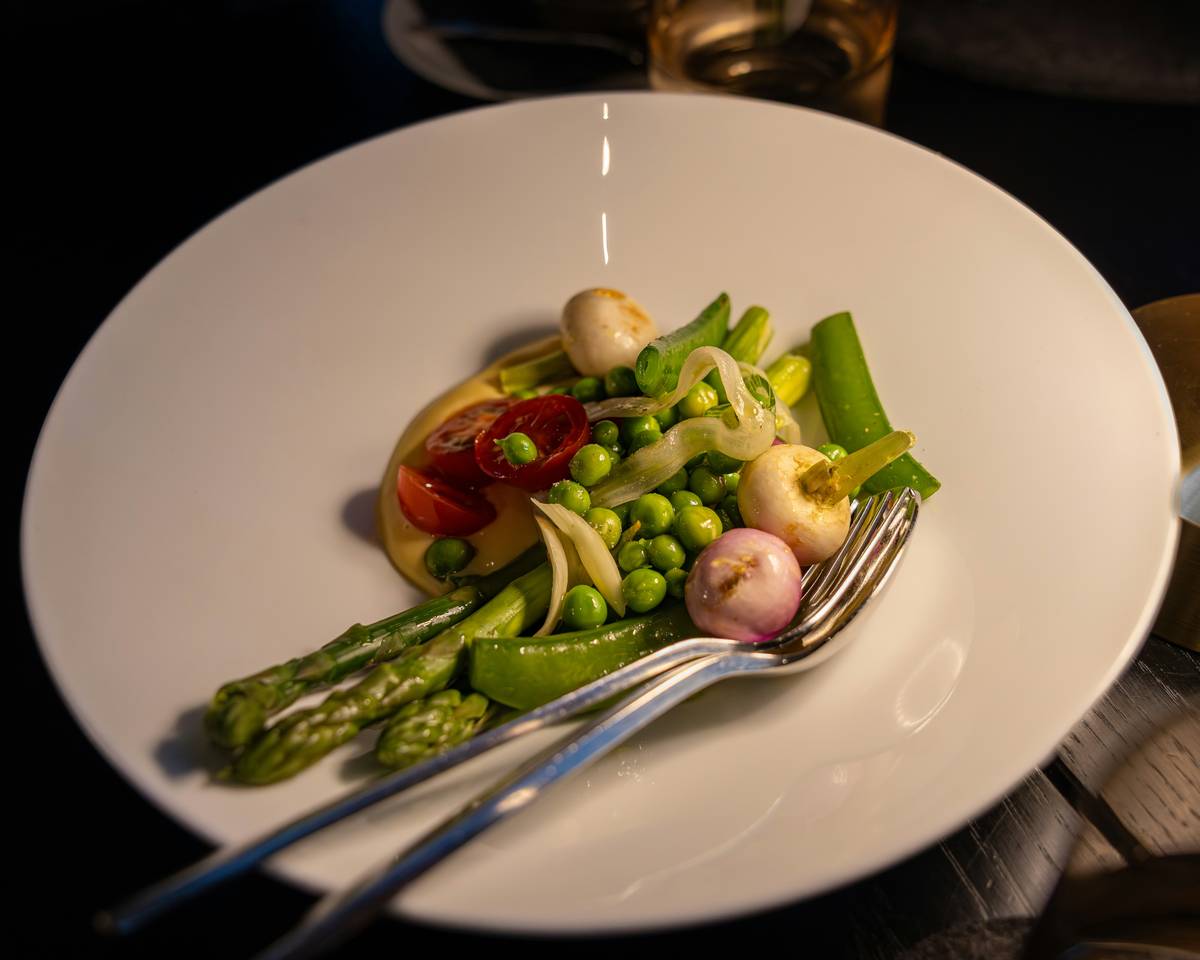
Worse, many “wellness” blogs push quick-fix fiber supplements while ignoring the fact that whole-food fiber delivers polyphenols, resistant starches, and microbiome-specific prebiotics that powders can’t replicate. The result? Short-term relief, long-term dependency—and missed opportunity for true gut resilience.
Step-by-Step Guide to Building Your First Week of Fiber Rich Meals Vegetarian
Step 1: Audit Your Current Plate (No Judgment—Just Data)
Track meals for 48 hours—not calories, but fiber sources. Note: Are your plant foods mostly peeled, juiced, or refined? That’s where gaps hide.
Step 2: Swap One Refined Grain Daily
Replace white rice with black rice (3g fiber/cup vs. 0.6g), or regular pasta with lentil pasta (12g fiber per 2-oz serving). No overhaul—just one swap.
Step 3: Add “Fiber Anchors” to Every Meal
These are non-negotiable, high-impact additions: 1 Tbsp ground flax or chia (2–3g fiber), ¼ cup cooked lentils (4g), or ½ cup berries (4g). Place them beside your plate—not blended in—so texture and chewing reinforce satiety signals.
Step 4: Cook One Resistant-Starch Dish Weekly
Try cooled potato salad or refrigerated brown rice. Cooling transforms digestible starch into resistant starch—a proven prebiotic that feeds Bifidobacterium (Frontiers in Nutrition, 2018).
Step 5: Hydrate Strategically
Drink warm lemon water with 1 tsp psyllium ONLY if you’re below 20g fiber/day—and never on an empty stomach. Better: sip herbal tea between meals, not during.
5 Best Practices That Actually Prevent Bloat
- Chew thoroughly—not as “advice,” but as biomechanics: Salivary amylase begins breaking down complex carbs; skipping this step forces your gut to do extra work.
- Avoid cold beverages with high-fiber meals: They constrict gut vessels, slowing digestion and increasing fermentation time—which ups gas production.
- Rotate your bean varieties weekly: Black beans feed different bacteria than chickpeas or adzuki—and microbial diversity reduces dominance-driven bloat.
- Never pair high-fiber meals with sugar alcohols (xylitol, erythritol): These compounds pull water into the colon and ferment rapidly—double trouble when fiber’s already present.
- Stop the “terrible tip”: Adding a tablespoon of bran to your breakfast cereal “for extra fiber.” Wheat bran is coarse, poorly fermented, and irritates sensitive guts. Start with oats or soaked chia instead.
Real Examples: How 3 Clients Doubled Daily Fiber—Without Supplements
Mira (42, IBS-C, yoga instructor): Ate same veggie stir-fry nightly—but always with white noodles. Switched to buckwheat soba + added shelled edamame and shredded purple cabbage. Went from 14g to 28g fiber/day in 10 days. Her bloating dropped by 70%, per her symptom journal.
Raj (31, post-colonoscopy vegetarian): Was terrified of beans after procedure-related discomfort. We started with miso-steamed carrots (resistant starch + fermented enzyme support) and gradually added split mung dal (pre-cooked, skinless—low FODMAP, high soluble fiber). At 8 weeks: 22g avg fiber/day, zero cramping.
Lena (58, type 2 diabetes): Previously relied on high-carb, low-fiber vegetarian wraps. We rebuilt her lunch around lentil-walnut patties + roasted fennel (a natural carminative). Hemoglobin A1c dropped 0.8% in 3 months—and she reported “feeling full before dessert became an option.”
We didn’t add pills. We added precision.
FAQs About Fiber Rich Meals Vegetarian
- How do I know if I’m getting enough fiber?
- Check your stools: Consistent, soft, sausage-shaped poops (Bristol Stool Scale types 3–4) suggest adequate fiber + hydration. Straining, pellets, or frequent urgency signal imbalance.
- Can too much fiber cause problems?
- Yes—if introduced too quickly or without water. Symptoms include gas, bloating, abdominal pain, and paradoxically, constipation or diarrhea. Always increase gradually and monitor response.
- Are nuts and seeds counted as “fiber-rich” for vegetarian meals?
- Absolutely—but prioritize *ground* forms (e.g., almond butter over whole almonds, ground flax over whole seeds) for better digestibility and absorption. One tbsp ground flax provides 2.8g fiber, plus omega-3s.
- Do fermented vegetarian foods like kimchi or tempeh add fiber?
- Fermentation doesn’t significantly increase fiber content—but it *does* pre-digest some compounds, making existing fiber easier to absorb. Tempeh retains all soybean fiber (~7g/cup); raw sauerkraut adds ~2g/cup.
- What’s the best high-fiber vegetarian breakfast that won’t spike blood sugar?
- A ½-cup blend of rolled oats + chia + walnuts + cinnamon + ½ cup raspberries. Total: ~10g fiber, low glycemic load, and clinically shown to improve insulin sensitivity (Frontiers in Nutrition). Avoid fruit juices or sweetened plant milks—they negate the benefit.
If you’ve tried everything—and still feel like your gut is sending cryptic Morse-code distress signals—we’re here to help. Our team has walked alongside hundreds of clients rebuilding gut resilience through food-first nutrition. Learn more about our approach on the About Us page—and reach out directly through our Contact Us form if you’re ready for a plan built around your rhythms, not generic checklists. And before you dive deeper, please review our Privacy Policy—because trust starts with transparency.
A fiber-rich life isn’t measured in grams—it’s measured in quiet mornings, steady energy, and the deep, unshakable calm of a gut that finally feels like home.