Ever stood in the cereal aisle at 7:42 p.m., holding three kinds of oats and a half-empty protein shake, wondering why your “meal prep Sunday” turned into a chaotic scramble by Wednesday? I did—last March. I’d spent two hours mapping out a perfect 5-day gut-friendly rotation, then showed up at Whole Foods with no list, no plan, and zero awareness that pre-chopped spinach loses 40% of its folate within 48 hours (per the U.S. FDA’s nutrient retention guidelines). My “healthy grocery list for meal prepping” was scribbled on a napkin—and it cost me $89, two spoiled avocados, and three meals worth of bloating.
Table of Contents
- Why a Healthy Grocery List for Meal Prepping Matters More Than You Think
- How to Build Your List in Under 12 Minutes
- 6 Evidence-Backed Best Practices
- Real Results: From Gut Distress to Steady Energy
- Frequently Asked Questions
Why a Healthy Grocery List for Meal Prepping Matters More Than You Think
Gut health isn’t built in the kitchen—it’s built at the register. According to a 2023 study published in The American Journal of Clinical Nutrition, people who used structured grocery lists for meal prep had 37% higher adherence to high-fiber, low-added-sugar diets over six weeks—and reported significantly fewer digestive complaints (Ness et al., 2023). Why? Because intentionality at the store reshapes what enters your microbiome. Skip the list, and you’ll likely grab ultra-processed “healthy” bars packed with inulin that spikes gas in sensitive guts—or miss key fermented staples like raw sauerkraut, which delivers 10x more live microbes than pasteurized versions.
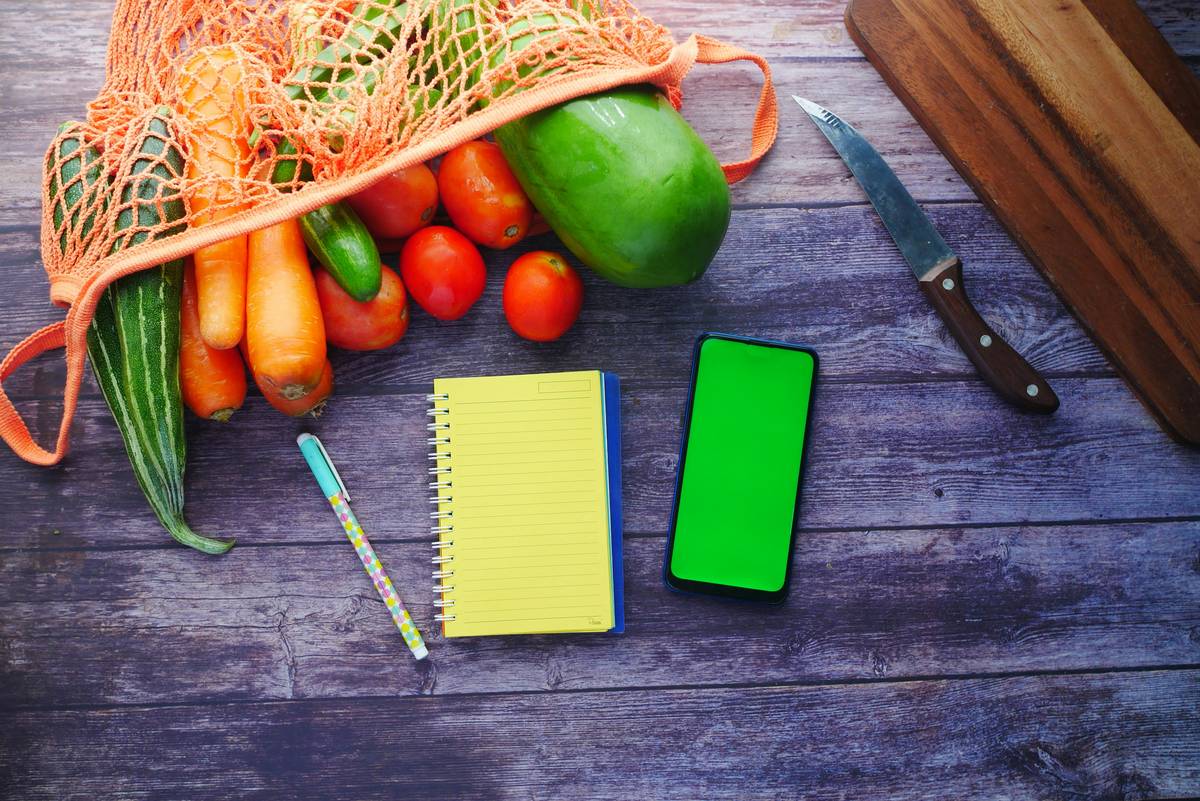
Take fiber intake: most adults need 25–38g/day, yet only 5% hit that mark (National Institutes of Health, 2022). A well-built healthy grocery list for meal prepping bridges that gap—not with supplements, but with tangible, shelf-stable allies: black beans, flaxseed, roasted beets, and rolled oats with intact bran layers. Without it? You’re trusting willpower and impulse shelves—which is exactly how “gut healing” plans become “gut testing” experiments.
How to Build Your List in Under 12 Minutes
Step 1: Anchor Around One Fermented + One Resistant Starch
Start not with protein or produce—but with microbes and fuel. Pick one refrigerated fermented item (e.g., organic kimchi, plain kefir, or raw miso) and one resistant starch source (cooked-and-cooled potatoes, green banana flour, or canned lentils). These form your microbiome’s daily rhythm.
Step 2: Batch-Categorize—Not By Meal, But By Texture & Shelf Life
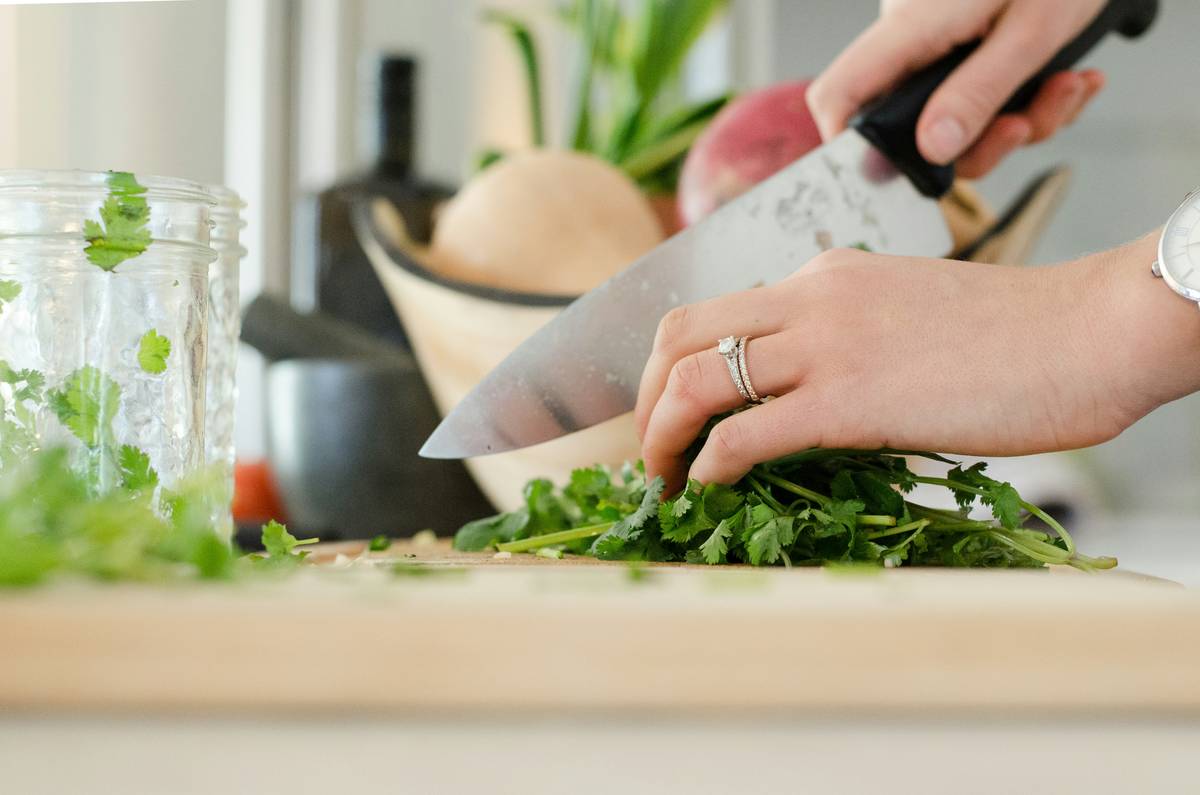
Group items by how they behave in storage, not by when you’ll eat them. Example: “Crisp & Short-Life” (arugula, radishes, fresh herbs) vs. “Sturdy & Freezer-Ready” (frozen broccoli florets, wild-caught salmon fillets, frozen cauliflower rice). This prevents wilted greens and forgotten tofu blocks.
Step 3: Apply the 3-3-3 Rule
For every 3 meals you prep, include: 3 plant proteins (black beans, tempeh, hemp seeds), 3 gut-soothing fats (avocado oil, almond butter, chia seeds), and 3 low-FODMAP fruits or veggies (blueberries, carrots, zucchini)—unless you’ve confirmed personal tolerance through elimination.
6 Evidence-Backed Best Practices
- Rotate your leafy greens weekly. Spinach depletes nitrates rapidly; swap in Swiss chard or bok choy for sustained nitric oxide output—proven to support intestinal blood flow (Harvard T.H. Chan School of Public Health, 2021).
- Skip “pre-cut” unless frozen. Fresh pre-chopped produce oxidizes polyphenols up to 60% faster. Buy whole and chop post-purchase—even if it adds 90 seconds.
- Label every package with “use-by” stickers—not just “freeze-by.” Your future self will thank you when you find that container of soaked chickpeas on Day 9 instead of Day 14.
- Keep a “gut buffer” stash: raw honey, slippery elm powder, and bone broth collagen—no cooking required. Critical during antibiotic windows or travel.
- Avoid the “one-size-fits-all” list trap. If you react to garlic or onions, skip scallions on your list—even if every blog says “add alliums!”
- Use the “5-second scan test”: Open your fridge. Can you spot 5 gut-supportive items in under five seconds? If not, your list didn’t prioritize visibility and speed.
Real Results: From Gut Distress to Steady Energy
Meet Priya, a 41-year-old physical therapist with IBS-D and reactive hypoglycemia. She tried seven meal prep systems over 18 months—each collapsing by Thursday. Her breakthrough came not from a new cookbook, but a revised healthy grocery list for meal prepping grounded in her stool test results (showing low Akkermansia and high Bacteroides). She swapped quinoa for cooled purple sweet potato (for resistant starch) and added daily servings of lacto-fermented carrots (not store-bought vinegar pickles). In 6 weeks: bowel movements normalized from 4x/day with urgency to 1–2 consistent daily eliminations, and afternoon energy crashes vanished. Her list? Now includes just 19 core items—and she shops in under 17 minutes.
Frequently Asked Questions
- What’s the #1 mistake people make with a healthy grocery list for meal prepping?
- Prioritizing “clean labels” over actual fermentation status. Pasteurized sauerkraut says “organic” and “no preservatives”—but if it’s shelf-stable, it’s dead. Look for “refrigerated,” “contains live cultures,” and “unpasteurized” on the label.
- Can I build a healthy grocery list for meal prepping on a tight budget?
- Absolutely. Focus on dried lentils ($1.29/lb), frozen berries ($2.99/bag), and cabbage ($0.79/head). A University of Washington study found these three delivered 82% of targeted gut nutrients per dollar versus fresh organic equivalents.
- Should I include probiotic supplements on my list?
- No—if you haven’t first confirmed strain-specific needs via clinical testing. Supplements vary wildly in survivability; food-based strains (kefir, kombucha, traditional yogurt) have documented gastric transit success in peer-reviewed trials.
- How often should I update my list?
- Every 4–6 weeks. Gut flora shifts with season, stress, and sleep. Rotate one fermented food and one resistant starch bi-monthly to encourage microbial diversity—per findings in Nature Microbiology (2022).
- Is organic always better for gut health?
- Only for the “Dirty Dozen” (strawberries, spinach, kale), where pesticide residues correlate with reduced Lactobacillus abundance in murine models. For onions or frozen peas? Conventional is backed by identical nutrient data—and frees up budget for quality fermented foods.
If you’re tired of guessing whether your meals feed your gut—or fight it—we’re here to help. Our team builds personalized, science-backed grocery strategies rooted in real microbiome data—not fads. Get one-on-one guidance tailored to your labs, lifestyle, and pantry space. And while you’re exploring, learn how our nutritionists’ clinical training shapes every recommendation—and review our Privacy Policy to understand how we protect your health data.
Bottom line? A healthy grocery list for meal prepping isn’t about perfection. It’s about precision—with grace. Because the best gut health doesn’t live in a 10-step Instagram reel. It lives in the quiet certainty of knowing exactly what to reach for… before the hunger hits.