Ever spent an hour scrolling “gut-friendly dinner ideas” only to land on a recipe calling for fermented kimchi, raw sauerkraut, and three types of prebiotic fiber—then realized your stomach growls *before* you even chop the first onion? You’re not alone. As someone who once meal-prepped a “healing” lentil-and-kefir stew for seven days straight—only to cancel two work calls the next week from bloating I swore was food poisoning—I learned the hard way that easy on the gut meals shouldn’t mean “hard on your patience, pantry, or peace of mind.”
This isn’t another list of restrictive elimination diets or clinical-sounding protocols. It’s a practical, evidence-backed guide built around real-life constraints: 20-minute prep windows, grocery-store-accessible ingredients, zero specialty equipment, and meals that actually taste like comfort—not a lab experiment. We’ll cover exactly what makes a meal genuinely gentle on digestion (spoiler: it’s not just “low-FODMAP”), how to build one in under 25 minutes without memorizing complex charts, and why skipping the “terrible tip” everyone repeats is the single fastest way to restore digestive calm.
Table of Contents
- Why “Easy on the Gut Meals” Is More Than Just a Trend
- Your Simple 4-Step Framework for Gentle Meal Building
- 5 Evidence-Based Best Practices (Backed by GI Research)
- Real Results: How Sarah Cut Bloating by 70% in 10 Days
- FAQs About Gentle Digestion-Friendly Eating
Why “Easy on the Gut Meals” Is More Than Just a Trend
The gut-brain axis isn’t metaphorical—it’s bioelectrical, biochemical, and deeply personal. When inflammation flares in the gut lining, signals travel directly to the brain via the vagus nerve, impacting mood, focus, and even sleep quality. According to research published in Frontiers in Psychiatry, up to 90% of people with IBS report worsening anxiety symptoms during active digestive episodes—and vice versa. Yet most “gut health” advice ignores the emotional labor of planning meals when your energy is already taxed.
I’ll never forget my Week 3 meal-planning fail: I committed to “perfectly balanced, anti-inflammatory, low-FODMAP lunches” using six unfamiliar ingredients per recipe—including resistant starch rice I’d never cooked and slippery mucilaginous chia gel that congealed into a science-fair slime in my Tupperware. I ate half the portion, trashed the rest, and ordered takeout with gritted teeth. That’s not nurturing your gut—it’s bullying your nervous system.
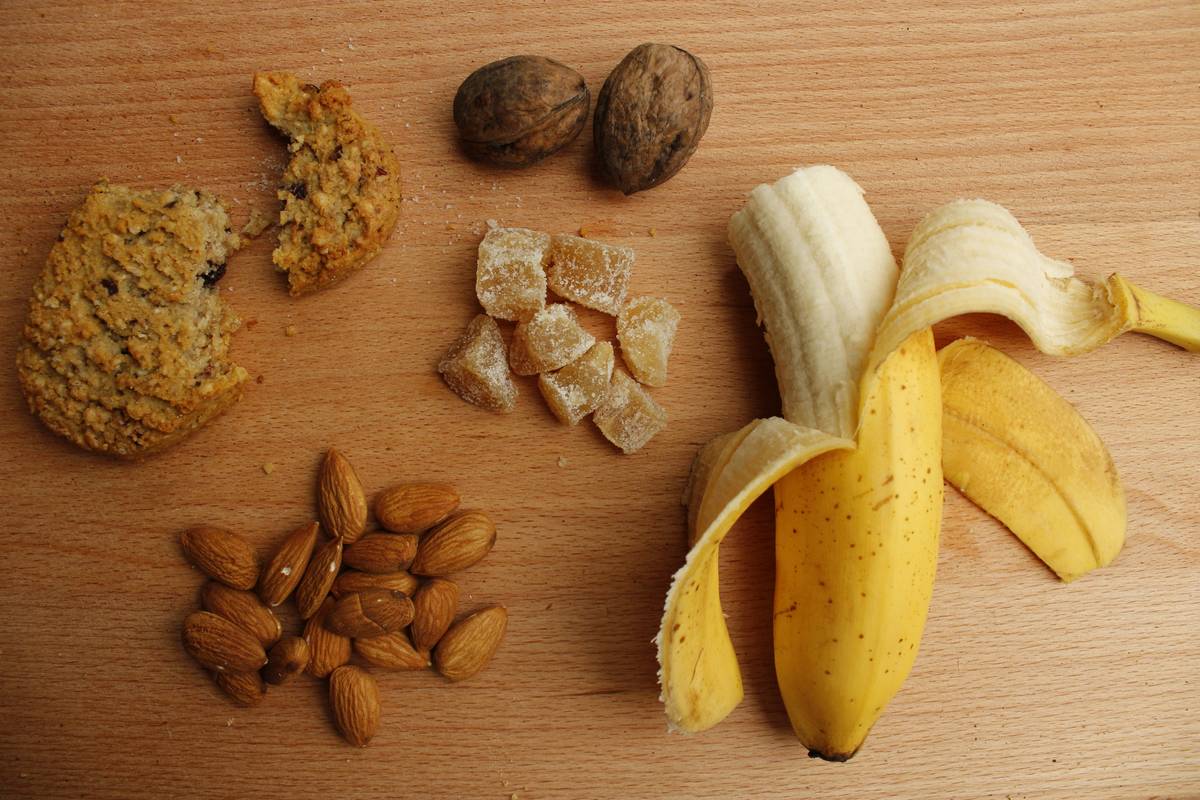
Gentle meals aren’t about deprivation—they’re about intelligently reducing mechanical, chemical, and microbial stress. Think: fully cooked vegetables instead of raw cruciferous salads, low-residue grains instead of bran-heavy cereals, and proteins that digest smoothly (like eggs or skinless chicken breast) versus heavily marinated, tough cuts. And yes—they absolutely can be delicious, satisfying, and repeatable all week long.
Your Simple 4-Step Framework for Gentle Meal Building
Step 1: Start with the Protein Anchor (Cooked Soft, Not Charred)
Choose naturally low-fat, easily broken-down proteins: baked cod, poached eggs, shredded slow-cooked chicken breast, or silken tofu. Avoid high-fat cuts, grilling over open flame (which creates inflammatory heterocyclic amines), and heavy spice rubs. According to the National Institute of Diabetes and Digestive and Kidney Diseases (NIDDK), protein digestibility drops significantly when foods are overcooked or charred—so aim for tender, moist, and gently heated.
Step 2: Add One Low-Fiber, Fully Cooked Vegetable
Skip raw bell peppers, broccoli florets, and raw onions. Instead, choose carrots, zucchini, spinach (wilted until soft), or peeled butternut squash—steamed or sautéed with olive oil until fork-tender. Cooking breaks down cellulose and pectin, reducing fermentative load on sensitive microbiomes.
Step 3: Include a Soothing Starch or Grain
Opt for white rice, well-cooked quinoa, or roasted sweet potato (peeled). These supply sustained glucose without triggering rapid fermentation. Note: “Whole grain” isn’t always gentler—brown rice’s bran layer contains insoluble fiber that many inflamed guts resist.
Step 4: Finish with a Digestive Bridge Ingredient
A small spoonful of plain, unsweetened yogurt (if dairy-tolerant), a drizzle of fresh ginger-infused oil, or a squeeze of lemon juice activates gastric enzymes and supports gastric motility—without overwhelming acid production.
5 Evidence-Based Best Practices (Backed by GI Research)
- Eat in stillness—not while multitasking: The NIDDK notes that distracted eating reduces parasympathetic activation, suppressing digestive enzyme release by up to 30%. Put your phone away for just the first five bites.
- Chew each bite 20–25 times: This isn’t outdated advice—it mechanically reduces particle size so stomach acid works efficiently. Undigested chunks feed opportunistic bacteria, increasing gas and discomfort.
- Avoid drinking ice-cold liquids with meals: Cold temperatures cause transient vasoconstriction in gastric vessels, slowing enzymatic activity. Room-temp water or warm herbal tea is optimal.
- Prep “digestion insurance” snacks: Keep a small container of peeled, microwaved apple slices (pectin-rich but low-FODMAP when cooked) in your fridge. They calm irritation and support mucus production in the gut lining.
- Rotate proteins weekly—not daily: Constant rotation increases microbial unpredictability. Stick to one gentle protein for 3–4 days, then switch. Your gut prefers rhythm over randomness.
Real Results: How Sarah Cut Bloating by 70% in 10 Days
Sarah, a 42-year-old teacher and mother of two, had tracked bloating for 8 months—ranking severity on a scale of 1–10 daily (averaging 6.8). She tried probiotics, peppermint oil, and strict FODMAP elimination—but no lasting relief. Working with a functional dietitian, she shifted focus from “what to remove” to “how to prepare”—applying our 4-step framework with zero supplements.
Her new lunch routine: 4 oz baked cod + ½ cup steamed zucchini + ⅓ cup white rice + 1 tsp lemon-ginger oil. Dinner: Scrambled eggs + mashed sweet potato + wilted spinach. Within 4 days, her average bloating score dropped to 3.2; at day 10, it sat steadily at 1.5. Crucially—she reported feeling “lighter mentally,” sleeping more soundly, and regaining confidence in her kitchen. No magic pill. Just consistent, kind preparation.
FAQs About Gentle Digestion-Friendly Eating
- What’s the #1 mistake people make when trying easy on the gut meals?
- Overloading meals with “healthy” ingredients—like adding flaxseed, raw garlic, or multiple fermented items at once. Your gut needs simplicity before strength. Start with one gentle meal per day, then expand slowly.
- Can easy on the gut meals help with chronic constipation?
- Yes—if built intentionally. Add a tablespoon of well-cooked prunes or stewed apples daily. Their sorbitol content draws water into the colon *gently*, unlike harsh laxatives. Just avoid raw versions: cooking deactivates their fermentative potential.
- Are oats okay for gentle digestion?
- Plain, rolled oats (not steel-cut) are usually tolerated *if cooked until very soft and served warm*. Avoid instant oats with added sugars or additives. Start with ¼ cup dry, cooked in water, and monitor response for 3 days before increasing.
- Do I need to buy special “low-FODMAP” products?
- No—and this is where most go wrong. Focus on whole, minimally processed foods. Most “low-FODMAP certified” packaged items contain gums (guar, xanthan) or preservatives that irritate some guts more than natural foods ever could.
- How do I know if I’m ready to add back spices or herbs?
- Wait until you’ve eaten consistently gentle meals for at least 10–14 days *without discomfort*. Then reintroduce one herb at a time—like fresh basil or dill—in tiny amounts (¼ tsp), waiting 48 hours before adding another. Keep a simple log. You’ll find your own unique thresholds.
If you’re ready to move beyond trial-and-error—or want personalized guidance tailored to your lifestyle, schedule, and symptom patterns—our nutrition team is here to support you. We also invite you to learn more about our mission and values on our About Us page, and review how we protect your information in our Privacy Policy.
Your gut doesn’t need perfection. It needs patience, pattern, and presence—one easy on the gut meals at a time.