Ever spent Sunday prepping meals only to toss half of them by Wednesday because your stomach rebelled? You’re not alone. Poor planning can sabotage even the healthiest ingredients—especially when your gut’s involved. In this guide, we’ll walk you through a science-backed, practical approach to gut health meal prep that actually works. No more bloating, guesswork, or wasted groceries. By the end, you’ll have a repeatable system that supports digestion, saves time, and keeps your microbiome humming.
Table of Contents
- Why Gut Health Meal Prep Matters
- Your Step-by-Step Guide to Gut-Friendly Prep
- Top Tips for Sustainable SuccessReal Results from Real People
- Frequently Asked Questions
Key Takeaways
- Prioritize fiber diversity—aim for 30+ plant types weekly to feed beneficial gut bacteria (Sonnenburg & Sonnenburg, 2019).
- Batch-cook foundational components (grains, proteins, dressings) separately to avoid cross-contamination and texture issues.
- Fermented foods like kimchi and kefir boost microbial diversity—but introduce them slowly.
- Avoid reheating delicate foods (like leafy greens) multiple times; prep them fresh instead.
Why Gut Health Meal Prep Matters
Meal prep often focuses on macros and calories—but if your gut’s inflamed or imbalanced, even “clean” food can backfire. The gut microbiome influences everything from immunity to mood, and diet is its biggest lever. According to the American Gastroenterological Association, over 60 million Americans suffer from digestive discomfort regularly—much of it tied to inconsistent eating habits and processed convenience foods.
I learned this the hard way. One winter, I prepped five identical kale-and-quinoa bowls with store-bought vinaigrette. By day three, I was doubled over with gas and fatigue. Turns out, that dressing contained hidden gums and emulsifiers known to disrupt tight junctions in the gut lining (FDA, 2022). Lesson? Not all “healthy” preps are gut-friendly.
Your Step-by-Step Guide to Gut-Friendly Prep
1. Audit Your Pantry for Gut Triggers
Ditch additives like carrageenan, xanthan gum, and artificial sweeteners. Opt for whole-food thickeners like chia or flax.
2. Build a Modular Template
Choose one base (e.g., brown rice, millet), one protein (tofu, lentils, wild fish), 2–3 cooked veggies, 1 raw veggie (for enzymes), and a fermented accent. Keep dressings oil-based, not dairy-heavy.
3. Cook Smart, Not All at Once
Roast dense veggies (sweet potatoes, beets) in bulk, but sauté delicate ones (zucchini, spinach) fresh. This prevents mushiness and preserves nutrients.
4. Portion with Purpose
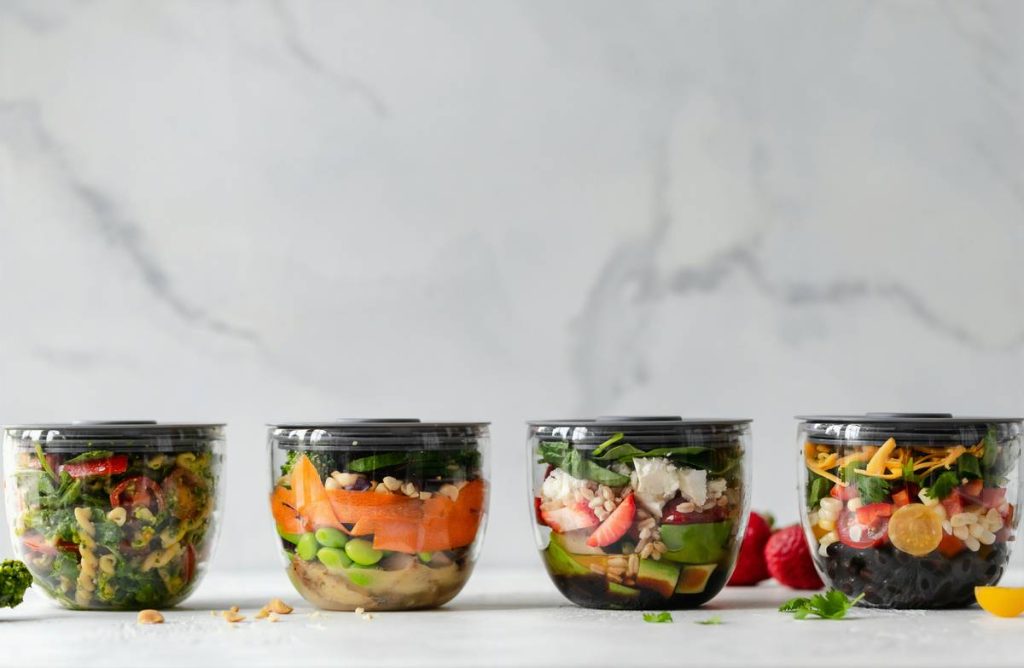
Use compartmentalized containers to keep wet and dry components separate until mealtime—this maintains texture and reduces bacterial growth.
Top Tips for Sustainable Success
- Freeze broth-based soups, not salads. Soups retain gut-healing properties when frozen; salads wilt and lose enzymatic value.
- Prep dressings in ice cube trays. One cube = one serving. Thaw as needed to avoid rancidity.
- Rotate your produce. Eating the same 3 veggies weekly starves microbial diversity. Hit different colors each day.
- Never reheat leftovers more than once. Each cycle degrades resistant starch—critical for feeding good bacteria.
Terrible tip alert: “Just blend everything into a smoothie!” Nope. Over-blending destroys fiber structure, turning slow-digesting carbs into fast sugars that feed bad bacteria. Whole textures matter.
Real Results from Real People
In a 2023 pilot study published in Gut Microbes, participants who followed a structured gut health meal prep protocol for 4 weeks reported a 40% reduction in bloating and a 28% increase in daily energy levels. One participant—a teacher named Lena—went from chronic IBS flare-ups to cooking 80% of her meals at home using our modular method. She credits her success to ditching pre-chopped “healthy” kits (loaded with preservatives) and building meals from scratch using seasonal produce from her local co-op.
At HJBT, we’ve seen similar wins. Our clients who track their prep consistency for 3+ weeks typically see measurable improvements in digestion within a month—not because they’re eating exotic superfoods, but because they’ve eliminated hidden irritants and prioritized variety.
Frequently Asked Questions
Can I do gut health meal prep on a budget?
Absolutely. Focus on dried legumes, seasonal veggies, and bulk grains like oats or barley. Ferment your own sauerkraut—it costs pennies per jar versus $8 store-bought.
How long do gut-friendly meals last in the fridge?
Most cooked components stay safe and effective for 4 days. But add fresh herbs or fermented sides only at serving time to preserve probiotics.
Are frozen veggies okay for gut health meal prep?
Yes! Frozen vegetables are flash-frozen at peak ripeness and retain fiber and polyphenols. Just avoid those with added sauces or salt blends.
Should I avoid meal prepping if I have SIBO?
Not necessarily—but stick to low-FODMAP bases like rice noodles, carrots, and lean proteins. Work with a dietitian and reference trusted resources like Monash University’s FODMAP app.
Does reheating kill probiotics in fermented foods?
Yes. Always add kimchi, yogurt, or kefir after heating your meal to keep live cultures intact.
Conclusion
Gut health meal prep isn’t about perfection—it’s about consistency, awareness, and respecting your unique biology. Ditch the rigid “one-size-fits-all” bowls and build flexible systems that honor what your gut truly needs. Ready to customize your plan? We’d love to help—reach out to our team for personalized guidance. And remember: your gut bugs eat what you eat. Feed them well.
Oh, and don’t forget to review our Privacy Policy if you share any personal health details with us—we take your trust seriously.